
Harvesting rainwater is a simple, environmentally friendly way to reduce how much water your household uses. It lowers your water bills and makes better use of a resource nature already provides, and making the switch is neither difficult nor time consuming.
Water is essential to life. Yet millions of people around the world do not have enough of it for basic hygiene, or lack water of good enough quality for drinking and preparing food. In many households, water is also needed for animals, vegetables, crops and trees.
Where groundwater and surface water are not enough, rainwater is a sustainable alternative, and the roof is the most practical place to collect it.
Water charges are rising, driven by infrastructure and delivery costs, increasingly unpredictable weather and wider cost pressures, and they are likely to keep rising for some time. Alongside that, many households want to be greener, more efficient and more self-sufficient, and see rainwater systems as an investment worth making.
Rainwater harvesting is the quickest and easiest way for a household to cut its water use. A well-designed system can supply up to 50 percent of a family’s everyday water needs, which means lower bills and less pressure on the mains supply.
You really don’t need to invest much money to keep the systems going. Purifying the water is not necessary if you don’t intend to drink the water.
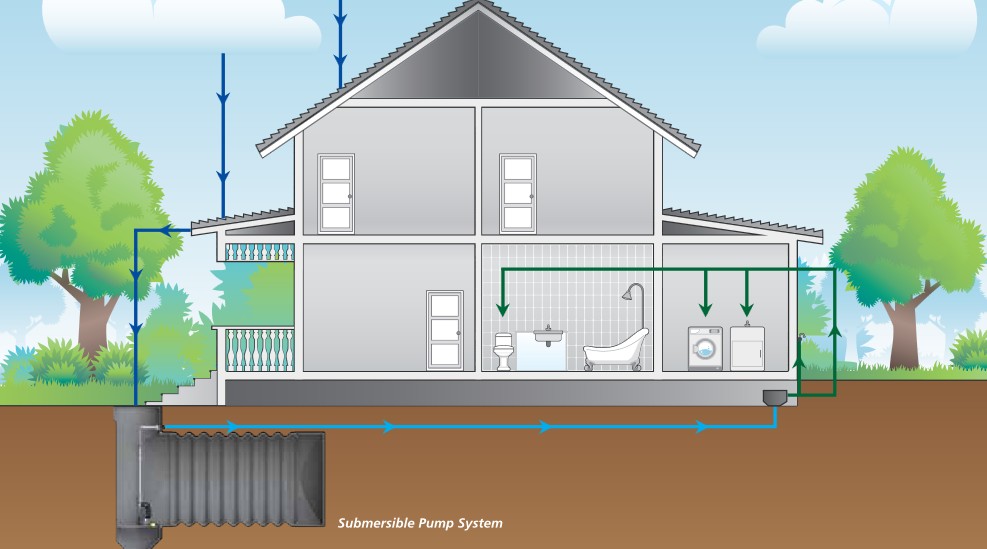
You can use your collected rainwater for flushing toilets, washing your clothes, and watering the garden. This’ll help in keeping your water bills to a minimum.
Rainwater is pure rainwater without any added chemicals into it so you can make sure that this is reliable for irrigations.
As our population increases, so does the demand for water. In many areas, we are reliant on dams, rivers and aquifers for our water sources.
By collecting rainwater, you can minimise the likelihood of flooding around your home and reduce the load on the council stormwater system.
You can use rainwater in flushing down toilets, washing your cars and motorcycles, and etc.
Rain doesn’t fall every day making it hard for you to collect some daily. However Auckland does not suffer from this and we have a high rainfall on average compared to other citys.
If you choose to have a rain harvesting system, then the time to implement these systems is when you are building your home as the additional costs are recovered quicker. Allocating funds for a system installed in your home is money well spent and will add value to your home.
Some roof coatings may contain harmful chemicals so it is advisable to talk with one of our consultants first to ensure your roof meets the guidelines.
There is a practical limit to how much water you can store on your property and is often limited by your section size and appropriate locations for the tanks . Especially in winter, the rain captured will be greater than the capacity of the tank. APD’s StormLite® detention/retention tanks are designed specifically deal with this situation and will release the excess water to the council stormwater system in accordance with council requirements.
Subscribe for regular updates, your email address is required for subscription.